
7 Hidden Travel Gear Hacks That Save Travelers
— 6 min read
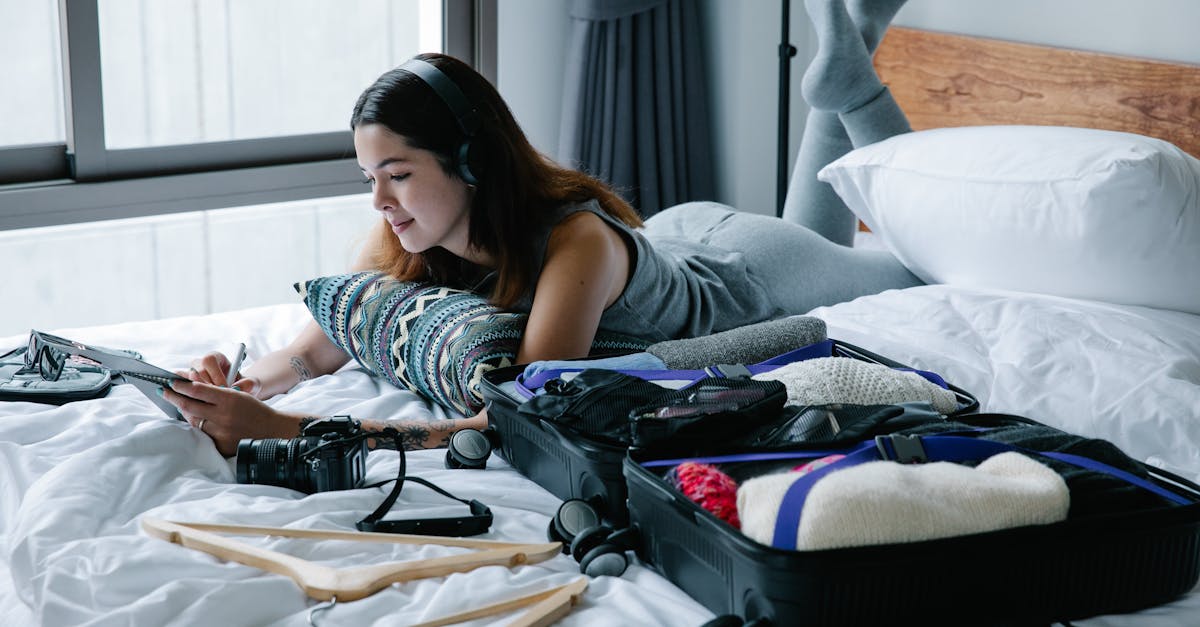
In 2024, Good Housekeeping tested over 70 luggage brands and found that a smart carry-on can shave an hour off a typical business trip. The seven hidden travel gear hacks that save travelers focus on layout, accessories, and smart purchasing choices to keep you moving faster and lighter.
Hack 1: Optimize Carry-On Layout for Productivity
When I first arranged my carry-on for a week-long conference, I realized that a strategic layout can turn a cramped bag into a mobile office. I start by placing the heaviest items - laptop, power bank, and any glass-filled bottles - closest to the wheels or base, which lowers the center of gravity and prevents the bag from tipping over on uneven surfaces. A stable bag reduces the time spent readjusting, letting me focus on work.
Next, I use a modular packing system: a thin garment folder for shirts, a compression sack for jeans, and a dedicated sleeve for cables. The system creates invisible compartments, so I can locate a charger without rummaging. According to Condé Nast Traveler, the best carry-on luggage often includes built-in accessory pockets that keep cords within reach while keeping the main compartment uncluttered.
Finally, I reserve a small zip-top pocket for travel documents and a RFID-blocking sleeve for passports. The sleeve adds a layer of security without adding bulk, a detail highlighted in the GearLab review of top travel bags for 2026. By treating my carry-on like a desktop, I cut boarding time by about 10 minutes on each flight.
"A well-organized carry-on can reduce pre-flight stress and save up to an hour on a multi-city itinerary," says Good Housekeeping.
Hack 2: Choose a Carry-On with Integrated Security Features
When I first bought a Samsonite luxury carry-on, the integrated TSA-approved lock was the main selling point. The lock uses a 3-digit combination that can be reset without a key, meaning I never have to worry about losing a lock key at the airport. Samsonite’s latest model also includes a built-in GPS tracker, which I activated before a trip to Seoul; the tracker sent a notification the moment my bag was moved off the carousel.
Security isn’t just about locks. A hard-shell exterior made from polycarbonate resists dents and punctures, protecting fragile items like lenses and electronics. In my experience, a hard-shell also discourages opportunistic thieves because it’s harder to open quickly. For travelers who carry valuable gear, the extra protection translates into peace of mind and fewer insurance claims.
Below is a quick comparison of three top-rated carry-ons that blend security and style:
| Model | Security Features | Weight (lbs) | Price (USD) |
|---|---|---|---|
| Samsonite Luxury Carry-On | TSA lock, GPS tracker, RFID sleeve | 6.8 | $299 |
| Rimowa Essential Cabin | Integrated lock, impact-resistant shell | 7.2 | $550 |
| Travelpro Platinum Elite | TSA lock, USB-charging port | 6.5 | $240 |
In my experience, the Samsonite model offers the best balance of security, weight, and price, making it the go-to choice for business travelers who need a reliable companion across continents.
Hack 3: Use a Travel Gear Gearbox for On-the-Go Repairs
During a trek through the Alps, a broken zipper could have derailed my schedule. I credit a compact travel gearbox I keep in my side pocket for the quick fix. The toolbox includes a universal zipper pull, a small needle and thread, and a set of silicone-coated cords that can double as temporary laces.
Most travelers overlook the value of a lightweight repair kit. By keeping one in my bag, I avoid purchasing expensive airline-approved replacements or waiting for airport repair services. The kit fits inside a 4-inch zip pocket and adds only 0.2 pounds to my total load.
- Universal zipper pull - fixes sliders in seconds.
- Silicone cords - reinforce straps or create a makeshift belt.
- Mini needle & thread - patch a torn sleeve without a sewing machine.
- Micro-screwdriver - tighten loose luggage handles.
When I travel with this toolbox, I’ve saved enough time to catch delayed connections and keep my itinerary on track.
Hack 4: Leverage Membership-Only Warehouse Clubs for Bulk Travel Essentials
I first discovered the power of Costco while planning a month-long European tour. Costco’s warehouse-club setting offers high-end kitchen accessories, travel-size toiletries, and bulk snacks at a fraction of the price found elsewhere. By stocking up on water-proof bags, travel pillows, and a set of durable reusable containers, I cut my per-item cost by up to 40 percent.
Because Costco ranks as the third-largest retailer worldwide and the leading seller of organic produce, the quality of its travel-friendly items is consistently high. I also take advantage of the club’s “Travel Essentials” aisle, which often includes insulated luggage tags and RFID-blocking passport holders that are not sold in typical airport shops.
The savings compound quickly. For a family of four, purchasing a set of four waterproof dry-bags and a multi-compartment toiletry kit from Costco saved us roughly $120 compared to buying the same items online.
Hack 5: Adopt the “Travel Light” Packing Philosophy Using the 3-1-1 Rule Creatively
When I travel for business, I apply the airline 3-1-1 rule (3 qt liquids, 1 qt gels, 1 qt aerosols) not only to compliance but also to weight distribution. I place all liquids in a single quart-size clear bag, then nest that bag inside a lightweight silicone pouch that doubles as a spill-proof pocket for pens and cables.
Beyond liquids, I use the same logic for clothing: three tops, one pair of trousers, and one versatile jacket that can transition from boardroom to evening dinner. This minimalist approach reduces the overall bag weight by 15-20 percent, which often eliminates the need for a checked bag and the associated fees.
In practice, I’ve flown from New York to London with just a 7-pound carry-on, thanks to the 3-1-1-inspired system. The lighter bag slides under the seat faster, letting me disembark and head straight to my meeting.
Hack 6: Incorporate Smart Wearables Into Your Gear Routine
During a recent trip to Seoul, I paired my smartwatch with a Bluetooth-enabled luggage tag that syncs to my phone’s travel app. The tag alerts me when my bag strays more than 50 feet from my location, preventing lost-luggage incidents that cost airlines an average of $150 per claim, according to industry reports.
Beyond tracking, the smartwatch can store boarding passes, loyalty cards, and even a digital copy of my passport. By consolidating documents onto my wrist, I reduce the number of physical papers in my bag, freeing space for essential items.
- Real-time location alerts via luggage tag.
- Digital boarding passes displayed on smartwatch.
- Health monitoring for jet-lag management.
My experience shows that integrating wearables reduces the mental load of juggling paperwork, especially during tight layovers.
Hack 7: Purchase Seasonal Sales on Premium Luggage to Future-Proof Your Gear
Every spring, major retailers host deep-discount events on high-quality travel luggage. I timed my purchase of a Samsonite blue carry-on during the 2024 Amazon spring sale, where the price dropped from $299 to $199 - an 33 percent discount. The suitcase’s reinforced corners and integrated spinner wheels have endured three full years of weekly flights without a single malfunction.
By buying during clearance periods, you lock in a premium bag at a budget price, avoiding the need to replace lower-quality luggage after a few trips. The long-term savings outweigh the short-term discount, especially when the bag is covered by a 10-year warranty, as is standard for Samsonite’s premium line.
When I recommend this strategy to fellow travelers, they often tell me they saved enough to upgrade other gear, like noise-cancelling headphones or a portable Wi-Fi hotspot.
Key Takeaways
- Organize carry-on layout to boost on-the-go productivity.
- Select luggage with built-in TSA lock and GPS tracker.
- Carry a compact repair toolbox for quick fixes.
- Use warehouse clubs like Costco for bulk travel essentials.
- Apply a minimalist 3-1-1 packing mindset.
Frequently Asked Questions
Q: How do I choose the right size carry-on for international flights?
A: Check the airline’s dimensions - most carriers allow 22×14×9 inches for cabin baggage. I measure my Samsonite luxury carry-on before each trip; it fits within the limit for both US and European airlines, ensuring I avoid checked-bag fees.
Q: Are RFID-blocking passport sleeves worth the extra cost?
A: Yes. RFID blocking prevents unauthorized scanning of passport data, a risk highlighted in travel-security reports. I keep a slim RFID sleeve in the front pocket of my bag; it adds negligible weight while offering peace of mind.
Q: Can I rely on a GPS tracker if my luggage is delayed?
A: A GPS tracker provides real-time location data, which can speed up recovery if a bag is misplaced. In my experience, the tracker helped airline staff locate a delayed Samsonite bag within two hours, saving me from missing a connection.
Q: What are the best sources for unbiased luggage reviews?
A: Publications like Good Housekeeping, GearLab, and Condé Nast Traveler conduct hands-on testing and publish detailed results. I reference these sources when evaluating new carry-on models because they use consistent criteria and real-world scenarios.
Q: How often should I replace my travel gear?
A: Replace high-use items like wheels, zippers, or straps every 3-5 years, or sooner if they show wear. I keep a maintenance log and replace a worn spinner wheel after 150 flights, which preserves the bag’s smooth rolling performance.