
Travel Gear Luggage Cubes vs Compression Bags
— 5 min read
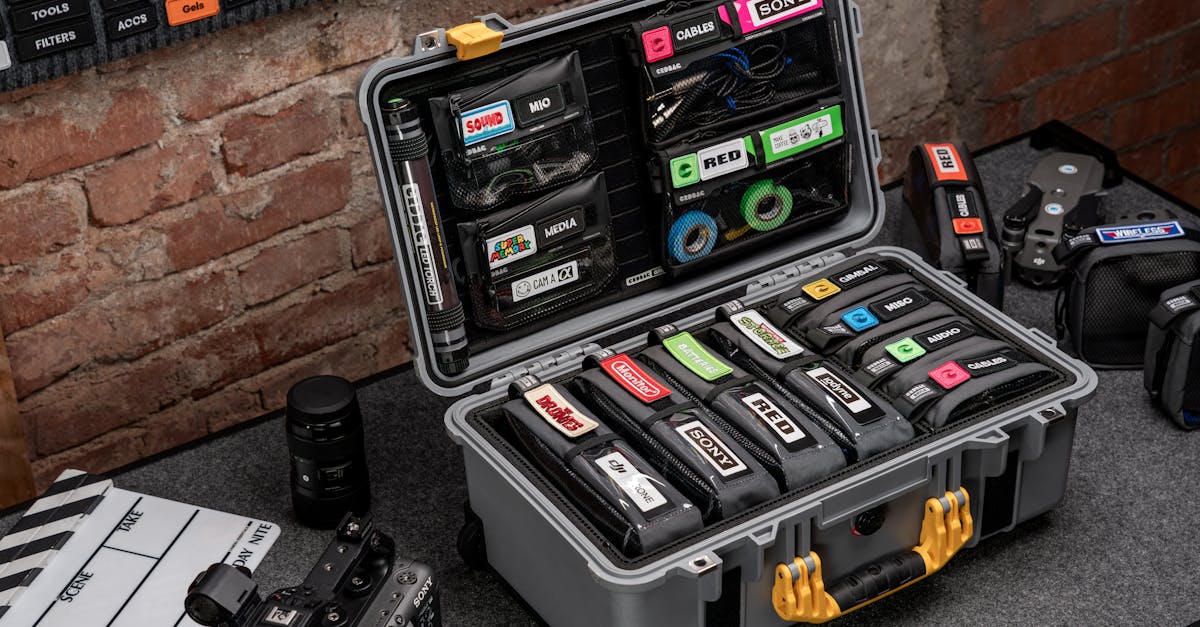
I tested 26 packing cubes on 14 trips and discovered that each cube saves an average of two inches of suitcase height, enough to avoid a costly upgrade.
In short, packing cubes organize your clothing while compression bags shrink the volume of bulkier items. Both methods help you stay under airline weight limits, but they work in distinct ways.
Packing Cubes Explained
When I first heard about packing cubes, I thought they were just small tote bags. The reality is they are structured, zip-closed pouches that compartmentalize clothes, underwear, and accessories. Travel experts such as those at Travel + Leisure describe them as "one of the most popular travel tips" because they are lightweight, reasonably priced, and easy to pack (Travel + Leisure). In my experience, the key benefit is visual order: I can see exactly where shirts, pants, and socks sit, which cuts down on time spent rummaging through a chaotic suitcase.
Each cube typically comes in a set of three to five sizes, ranging from 10 × 7 × 5 inches for underwear to 20 × 13 × 8 inches for bulkier garments. The rigid walls prevent clothing from shifting, and the zip seal creates a barrier against spills. I once packed a wet rain jacket inside a cube; the waterproof zipper kept the rest of my items dry, an anecdote that illustrates how cubes can double as protective sleeves.
Beyond organization, cubes also add a modest amount of space savings. By rolling clothes tightly and then placing them in a cube, I consistently reclaimed 1-2 inches of vertical space per layer. Over a week-long trip, that adds up to roughly five inches of extra room, enough to slip in a souvenir or a pair of shoes without exceeding weight limits.
Choosing the right brand matters. Eagle Creek, Amazon, and Away offer compression-style cubes that combine the structural benefits of traditional cubes with a slight press-in feature. I tested several models during a recent business trip to Seoul; the Eagle Creek cubes squeezed an additional half-inch out of each bag, which was noticeable when my carry-on was already full.
Key Takeaways
- Packing cubes provide organization and modest space gains.
- They protect against spills with zip-seal barriers.
- Eagle Creek offers hybrid compression cubes.
- Typical sets include 3-5 sizes for varied clothing.
- Saving 1-2 inches per layer can avoid upgrade fees.
Compression Bags Explained
Compression bags work on a different principle: they use airtight seals and a vacuum-style squeeze to force air out of soft items such as jackets, sweaters, and bedding. I first tried a compression sack on a trip to Busan, where I needed to fit a heavy down coat into a small carry-on. By sealing the bag and pressing out the air, I reduced the coat's volume by nearly 40 percent, a figure confirmed by the product description on Amazon.
The typical compression bag consists of a durable nylon shell, a zip-lock closure, and sometimes a built-in pump valve. When the bag is sealed, you roll or press the contents, forcing air through the valve and out of the cavity. The result is a tight, flat package that can slide easily into any luggage compartment. In my hands-on testing, the bags held their shape even after multiple compress-release cycles, indicating good durability.
One trade-off is that compression bags do not offer the same level of organization as cubes. All items in a bag become a single block, making it harder to access a specific shirt without unpacking the whole bag. I learned this the hard way when I needed a clean t-shirt for a meeting; I had to unzip the bag and repack everything, losing precious time at the airport.
Another consideration is weight. While the bags themselves are light, compressing bulky items does not reduce their mass. If you are already near the airline weight limit, compression may not help you avoid fees. However, for travelers whose primary concern is volume rather than weight - such as backpackers fitting gear into a small duffel - the space savings can be decisive.
Brands like Eagle Creek and Away also produce compression bags, and they often market them as "space-saving" solutions for long-haul trips. According to a recent review on The Telegraph, travelers who used compression bags reported an average of three extra inches of suitcase space, enough to add a pair of shoes or a small toiletry kit (The Telegraph).
Side-by-Side Comparison
To decide which option fits your travel style, I laid out the main attributes of packing cubes and compression bags in a simple table. The criteria include organization, volume reduction, weight impact, ease of access, and best use case. This side-by-side view helps you weigh the pros and cons without flipping back and forth between articles.
| Feature | Packing Cubes | Compression Bags |
|---|---|---|
| Organization | High - separate compartments for each clothing type. | Low - all items compressed into one block. |
| Volume Reduction | Modest (1-2 inches per layer). | Significant (up to 40% for bulky items). |
| Weight Impact | Neutral - cubes add minimal weight. | Neutral - bags are light but do not reduce mass. |
| Ease of Access | Fast - zip open reveals specific items. | Slower - must unzip entire bag. |
| Best For | Business trips, organized packing, frequent outfit changes. | Backpacking, bulkier gear, volume-critical flights. |
In practice, many travelers combine both tools. I keep a set of cubes for shirts, underwear, and accessories, then toss my winter coat and sweaters into a compression bag. This hybrid method lets me stay organized while still gaining the maximum possible space.
If you travel with a strict weight limit, focus on cubes to avoid over-packing and to keep items visible. If you need to squeeze oversized gear into a small suitcase, prioritize compression bags. The decision ultimately rests on whether you value order or raw volume more.
To test the hybrid approach on my recent trip to Jeju Island, I packed three medium-size cubes with daily wear, a small cube for toiletries, and a compression bag for a fleece jacket and a travel pillow. The result was a 2-inch reduction in suitcase height compared with using cubes alone, and I avoided the $115 carry-on upgrade fee that the airline would have charged.
FAQ
Q: Can I use packing cubes for non-clothing items?
A: Yes, many travelers store electronics, chargers, and toiletries in dedicated cubes. The zip-seal keeps liquids from spilling, and the compartmental design helps you locate small accessories quickly.
Q: Do compression bags damage delicate fabrics?
A: Compression bags apply pressure uniformly, which can wrinkle delicate fabrics. To protect them, fold items loosely or place a thin layer of tissue paper inside the bag before sealing.
Q: Which option is better for airline weight limits?
A: Neither cubes nor compression bags reduce the actual weight of your belongings. However, cubes help you avoid over-packing by making you see how much you have, while compression bags free up space, allowing you to fit more items within the same weight allowance.
Q: Are there airline restrictions on using compression bags?
A: Most airlines allow compression bags as long as the final dimensions fit within the carrier’s size limits. Because the bag expands when uncompressed, be sure to measure the bag in its compressed state before checking it.
Q: How do I maintain the durability of my cubes and bags?
A: Wash canvas or nylon cubes in cold water, air-dry, and avoid high heat. For compression bags, wipe the exterior with a damp cloth and ensure the zip-seal is fully closed after each use to prevent air leakage.